










Shop by Category



The Evolution of Silhouette – Defining Modernity
The narrative of women’s dress is a vibrant tapestry woven through centuries, each thread representing a shift in societal values, artistic movements, and personal expression. What we observe today is not a sudden emergence, but the culmination of countless subtle yet powerful transformations in the silhouette—the fundamental outline that defines how a garment interacts with the human form. Understanding this evolution is key to appreciating the current landscape of style.
For long stretches of recorded history, the female form was often constrained, exaggerated, or obscured by elaborate underpinnings and rigid external structures. Think of the panniers, the farthingales, and the restrictive bodices that dominated various periods. These elements, while aesthetically striking, dictated movement and symbolized a very specific, often hierarchical, social standing. The clothing was less about the individual and more about projecting a specific image of propriety or opulence. The emphasis was placed on volume and structure, creating shapes that were highly architectural and often challenging to manage.
The seismic shift toward liberation began subtly, gaining momentum as social reforms took hold. The late 19th and early 20th centuries saw the first serious challenges to these established norms. The movement away from the corset, for instance, was more than a sartorial choice; it was a profound declaration of physical and intellectual freedom. Designers began to experiment with softer fabrics and simpler cuts, prioritizing comfort and ease of movement for a woman increasingly participating in the public sphere—whether in education, work, or leisure. The columnar, flowing shapes that emerged in the early decades of the 20th century, drawing inspiration from classical aesthetics, offered a radical departure from the bell-shaped or hourglass figures that preceded them.
The post-war era introduced further complexity. The sharp tailoring and defined waists of the mid-century represented a return to structure, yet one infused with modern precision. This period mastered the art of structured elegance, defining an ideal of refined femininity that was accessible yet aspirational. Following this, the spirited counter-cultural movements of the 1960s and 70s shattered these boundaries once more. Hemlines rose, materials became experimental, and the lines between conventional daywear and evening attire blurred. The introduction of modular and mix-and-match pieces gave women unprecedented control over their daily presentation. Garments began to reflect a more eclectic and personal approach, moving far beyond seasonal dictates.
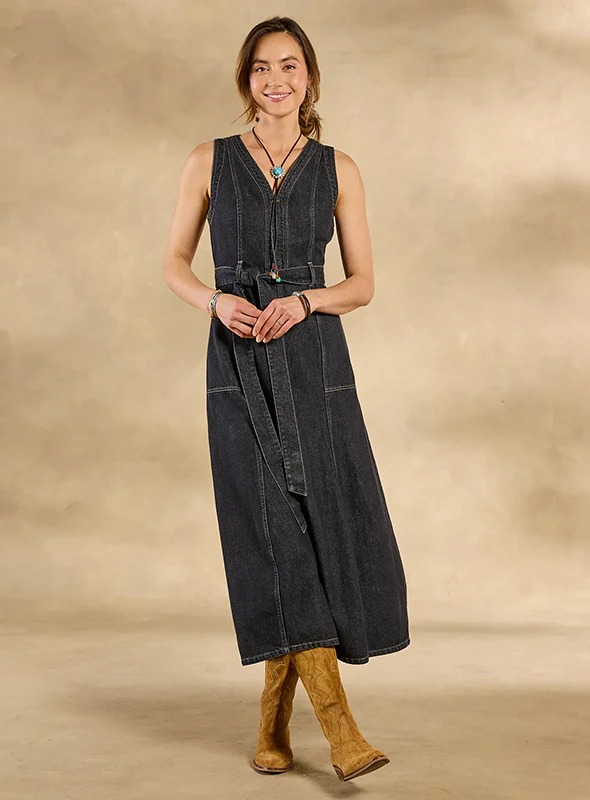
The later decades of the century and the turn of the millennium witnessed the true triumph of versatility. The modern wardrobe is a dynamic blend of past influences, filtered through a lens of contemporary practicality. Today’s silhouette champions the individual. We see the deliberate contrast between oversized, comfortable outerwear and sleek, minimalist foundational pieces. The boundary-less nature of contemporary style means that a woman can effortlessly transition from a sharply tailored trouser and jacket combination to a soft, draped dress, all within the span of a single week, or even a day.
This focus on adaptability speaks directly to the multifaceted lives of contemporary women. They demand clothing that performs across various roles—professional, casual, creative, and athletic. The emphasis has shifted from conforming to a fixed ideal to celebrating personal contour and choice. The rise of comfortable, high-performance textiles has also played a crucial role, allowing for garments that maintain their shape and aesthetic appeal while offering unparalleled ease.
The future of women’s dress will undoubtedly continue this trajectory of personalization and freedom. The ongoing dialogue between structure and flow, between the historical reverence for form and the contemporary demand for function, defines the creative tension in modern design. The silhouette is no longer a mandate; it is a suggestion, an invitation for the wearer to define her own shape and presence in the world, making the modern era one of the most exciting and expressive chapters in this long, unfolding story. The continuous reimagining of basic forms ensures that fashion remains a relevant and powerful tool for self-articulation. The ultimate measure of success in this domain is not adherence to a trend, but the ability of a garment to empower the woman wearing it. This principle—empowerment through choice—is the lasting legacy of the evolutionary journey of the female silhouette. The power of dress now lies squarely with the wearer, a democratic shift that truly defines modernity. The current fluidity of acceptable shapes and lengths offers unparalleled scope for individual creativity and self-styling. The modern woman curates her own image, drawing from global and historical inspirations to craft a look that is uniquely her own, transcending rigid classifications and demonstrating that style is, at its core, an act of self-definition.